Monday, February 6, 2012

Lake Levels Return to Normal...Giant Salvinia Lies in Wait

The drought and its impacts on Caddo Lake are still fresh on the minds of those who have ties to the lake. Recent rains have brought the lake back up to about normal but they have also set the stage for an active giant salvinia growing season. 

Going into the winter, the hope was that extremely low water levels combined with a cold winter like we have had the past two years would kill off much of the remaining giant salvinia. Our luck with favorable weather for killing giant salvinia has yet to materialize. No one is complaining at all about the rain, but the warm temperatures have allowed giant salvinia to not only survive the winter, but to begin growing already. 

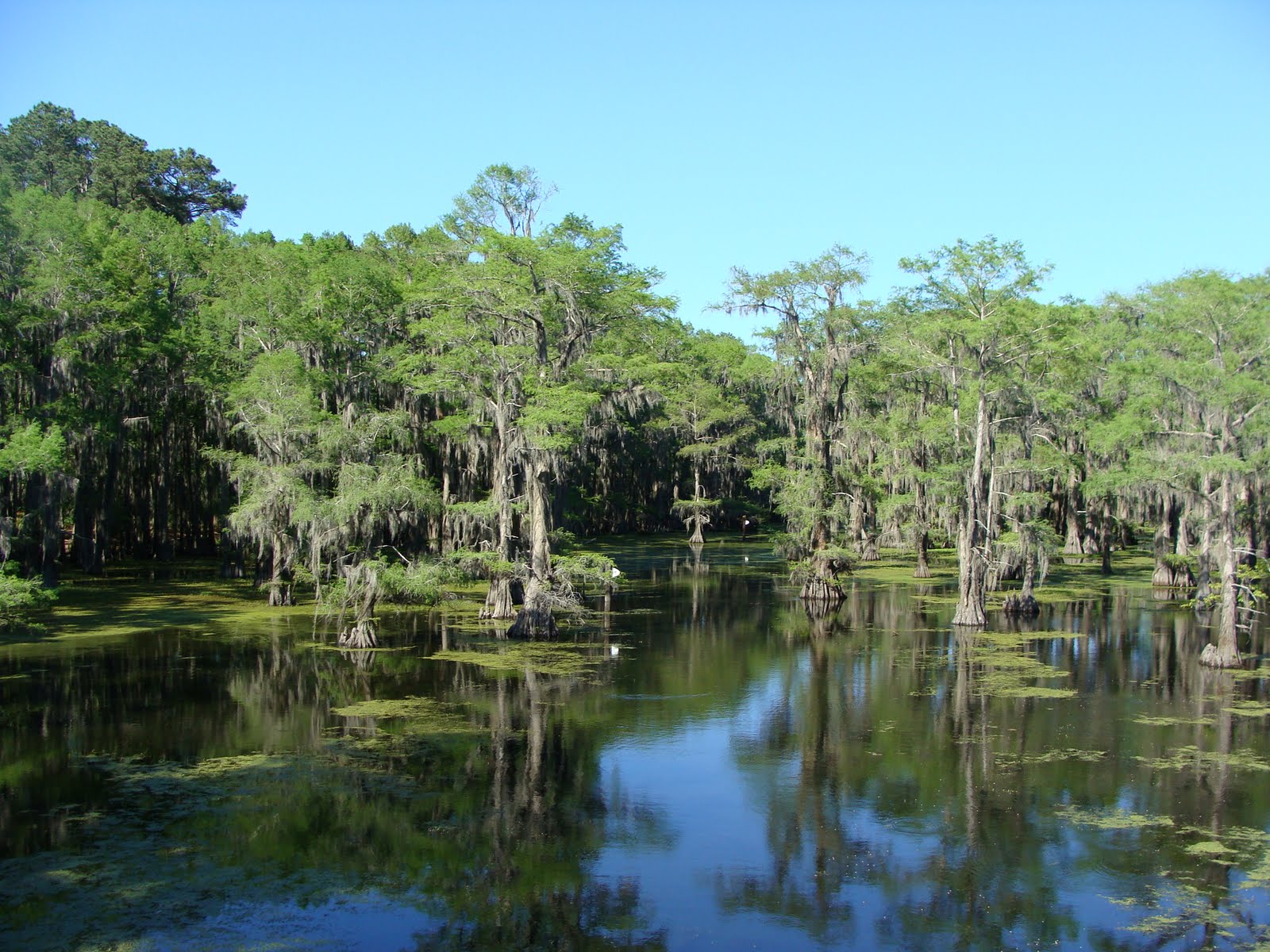
The rain has been much appreciated and it is good to see the lake back to normal at the moment. The inflows to the lake have dispersed giant salvinia far and wide across the lake though. A boat ride on the upper Texas portion of the lake this past Saturday confirmed just this. As you can see in the photo below, there is plenty of giant salvinia hanging around out there already. One of the other things observed on the lake were small pieces of salvinia floating around all over the lake...on the boat roads, off the beaten path, in the marinas...basically everywhere.


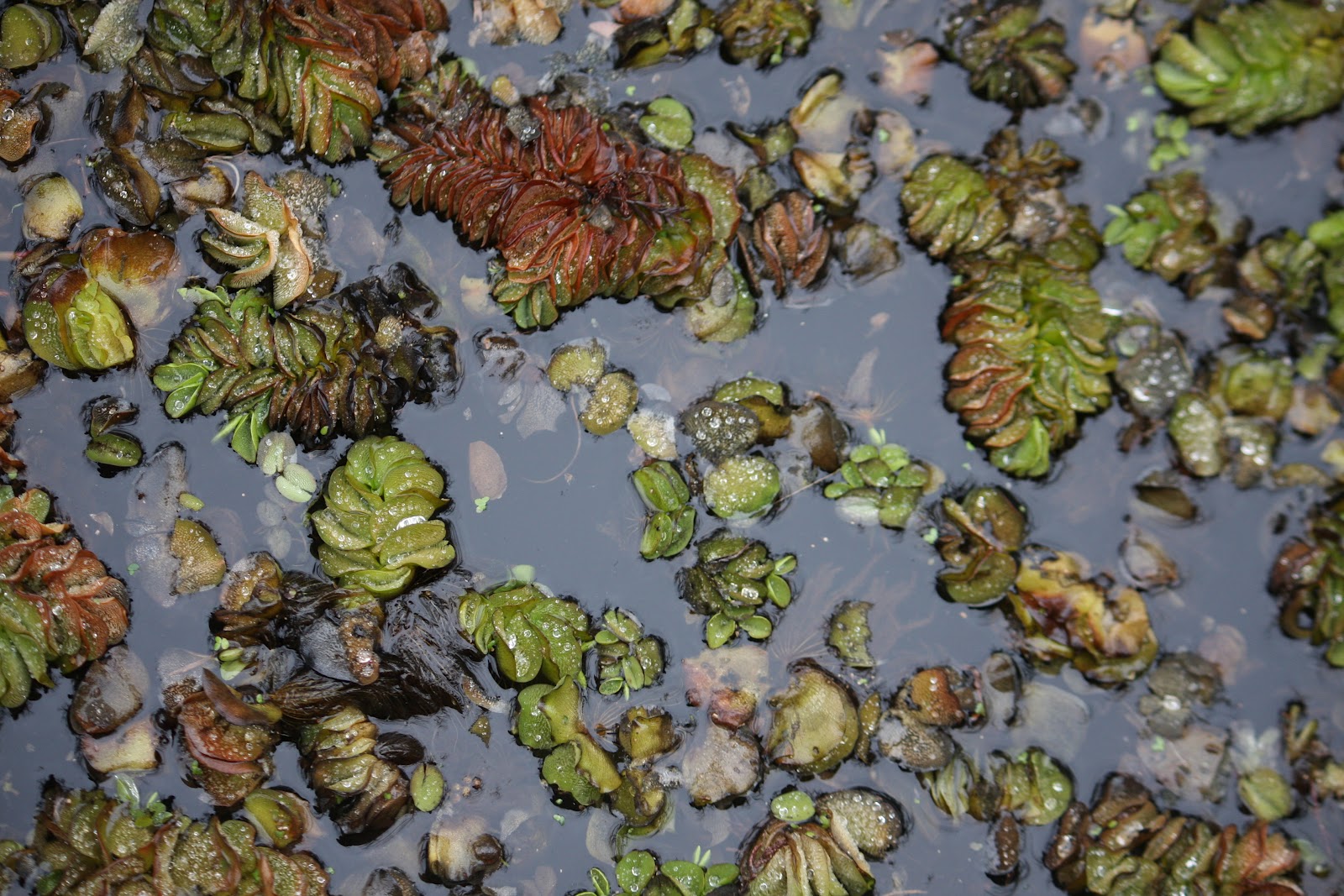
Much of the giant salvinia is also actively growing. The picture below illustrates just this. The upper part of the plant appears to be burned from light freeze damage while the lower part of the plant is actively growing. The four lobes of the plant visible at the bottom of the picture are referred to as "terminal buds" and are the actively growing portion of the plant.

Terminal buds are the plant that salvinia weevils prefer to feed on and lay eggs in. From a perspective of sustaining weevil populations on the lake, it is good to see this growth; however, actively growing salvinia this early in the year is not so good.


The picture below further illustrates the active salvinia growth seen on the lake. The smaller leaves laying flat on the water's surface are primary salvinia that has recently begun to grow. While extensive mats of salvinia are not yet present, it likely won't take long for these mats to start forming.

It is only early February though, so a good killing freeze is not totally out of the question. If a hard freeze like those seen in 2010 or 2011 comes along, the salvinia will likely take a hit.

For now though, giant salvinia on Caddo Lake is alive and well. It is simply biding its time until spring truly arrives.

Thursday, August 18, 2011

Sen. Hutchison Praises Caddo Lake Giant Salvinia Work

Last week we had the privilege of U.S. Sen. Kay Bailey Hutchison visiting Caddo Lake and touring the Center for Invasive Species Eradication’s salvinia weevil-rearing facility located at the wildlife refuge.


Following the tour, Hutchison spoke to a group gathered at the Caddo Lake National Wildlife Refuge about the threat that invasive species such as the giant salvinia pose to the refuge and to Texas lakes.

“While Caddo Lake is home to hundreds of animal, fish and plant species, invasive species threaten this magnificent resource,” said Hutchison. “We are proud to work with the Caddo Lake Institute and Texas A&M University on creating a center of excellence focused on eradicating invasive species.”

You can read the full AgriLife TODAY story for more information. Visit our Facebook page for more photos of the day's events.

Sen. Hutchison also applauded the Caddo Lake Giant Salvinia Eradication Project in her weekly column in the Mineola Monitor, noting that "this promising research will help restore Caddo's habitats and protect this unique natural treasure." Read the full Mineola Monitor article for more information.

Recap of Congressional Hearing on Giant Salvinia

Back in June, we attended a Congressional hearing in Shreveport on giant salvinia.

Experts at the hearing testified that there is no silver bullet for giant salvinia. They also stressed that research collaboration in combination with various management methods and education is essential to fighting the plant.

Testimony by federal agencies, Texas and Louisiana state agencies, universities and non-governmental organizations on efforts to control and eradicate giant salvinia were heard during the field hearing of the U.S. House of Representatives Subcommittee on Fisheries, Wildlife, Oceans, and Insular Affairs on June 27 at Louisiana State University–Shreveport.

Subcommittee Chairman Rep. John Fleming from Louisiana and Rep. Louie Gohmert from Texas attended the hearing. Staff from the Texas AgriLife Extension Service and the Texas Water Resources Institute (TWRI) attended the hearing.

“We are losing ground on something we don’t have an answer for,” said Robert Barham, secretary of the Louisiana Department of Wildlife and Fisheries. Louisiana has seen its state-wide infestation of giant salvinia grow from approximately 13,000 acres to more than 25,000 acres in two years.

Richard Lowerre, Caddo Lake Institute president, highlighted our work on rearing the salvinia weevils for release into the lake and educating the public, with collaborators Texas AgriLife Research, Texas AgriLife Extension, and the Texas Parks and Wildlife Department.

Dr. Michael J. Grodowitz, U.S. Army Corps of Engineers research entomologist, said the biological control of giant salvinia with salvinia weevils is “highly promising” but said managing the plant through biological control is a long-term process. Grodowitz said besides looking at ways to control the plant, research needs to be done on what underlying factors in a particular waterbody allow the plants to grow and out-compete native plant species.

Other witnesses were Louisiana State Rep. Henry Burns; Ross Melinchuck, Texas Parks and Wildlife Department deputy director; Michael Massimi, Barataria-Terrebonne National Estuary Program invasive species coordinator; Ken Ward, Caddo Parish Department of Public Works project manager; Dr. Randy Westbrooks, U.S. Geological Survey National Wetlands Research Center invasive species prevention specialist; Dr. Dearl Sanders, Louisiana State University Idlewild Research Station resident coordinator; Jeffrey Trandahl, National Fish and Wildlife Foundation executive director; and Dr. Damon Waitt, University of Texas Lady Bird Johnson Wildflower Center senior director.

Read the Natural Resources Committee news release. Listen to the hearing.

Tuesday, June 14, 2011

Monday, June 6, 2011

Large-Scale Weevil Releases Begin

Over the past month, we've begun releasing the weevil infested material from our tanks onto the largest giant salvinia patches we can find on the lake. We have released large numbers of weevils at three locations and will be monitoring it consistently as summer progresses. We will be releasing at a fourth site in the near future which will complete the number of initial release sites required for the research protocol. Additional large-scale releases will be made as the weevils re-expand their numbers in the tanks and the giant salvinia begins to rapidly expand with the progressing summer heat.

To date, we've released a little over 70,000 weevils in the three locations (and an additional estimated 217,000 weevil larvae that would be within the released plant material). These weevils came from only two tanks in which we removed approximately 80% of the material of each tank. The two tanks had a spring weevil population "explosion" in which the adult weevil population density increased from 8 adults per pound to an estimated 85 weevils per pound! Consequently (and not surprisingly), the salvinia in the weevil tanks quickly began to crash due to this high number of weevils. As a result, every time we're on the water, we bring in fresh giant salvinia off the lake to keep our remaining weevils happy, well-fed, and reproducing. Hopefully, we'll be seeing some progress from the released weevils and will be able to report all findings.

Thanks to Bryan Higdon and Adam Fisher who volunteered their time to help with the weevil releases. Our next large-scale release will likely require more volunteers so we'll be putting the call out at some point later this summer.